How we turned a $500,000 Punggol HDB flat into a $1.8M condo — without earning more
The staircase-wealth playbook, in two planned moves
Idris and Mira moved from a Punggol HDB flat to a $1.8M condo in five years. Their pay barely grew. The asset class did all the heavy lifting.
Drawn from a consultation conducted by Elfi Abdullah, Division Director · ERA Singapore, 2025.
- ·Married Singaporean couple, late 30s
- ·Own-stay buyers
- ·Starting point: Punggol 4-room HDB (~$500K)
- ·Pay: effectively flat over the 5-year period
- ·No children at the time of their first move

What they were looking for
- ·Move out of the HDB into a private condominium
- ·Budget stretched by HDB sale profit + CPF balance
- ·No rigid location preference — open to D19 and adjacent zones
- ·Timeline: ready to move within 12 months of the first call
- ·Open to both long-hold ownership and strategic resale at the right window
- ·Willing to accept imperfect first unit to secure entry into the private market
The real pain points
- ·Only ~$130K in liquid profit after the HDB sale
- ·Feared that condo ownership was out of financial reach
- ·Anxious about overextending on mortgage servicing
- ·Concerned about buying the 'wrong' unit on the first move
- ·Unsure how to time a future exit cleanly around SSD rules
If you're sitting in a similar situation — HDB equity idle, unsure if the maths actually supports a move — run the numbers before a conversation. It takes five minutes and saves weeks of second-guessing.
Run the calculator →In 2021, Punggol 4-room HDBs were transacting in the $450K–$550K range, with freshly-MOP flats at the higher end. New condominiums in D19 (Hougang / Punggol / Sengkang) launched around $1,300–$1,500 psf — putting 3-bedders typically above $1.4M. Ground-floor units were the most accessible entry point.
- Sold
- Punggol 4-room HDB — ~$500K
- Cash profit
- ~$130K
- Bought
- 3-bedder condo (ground floor — only unit within budget)
- Cash deployment
- ~50% of cash profits ($65K) for cash portion + stamp duty. Remainder to renovation.
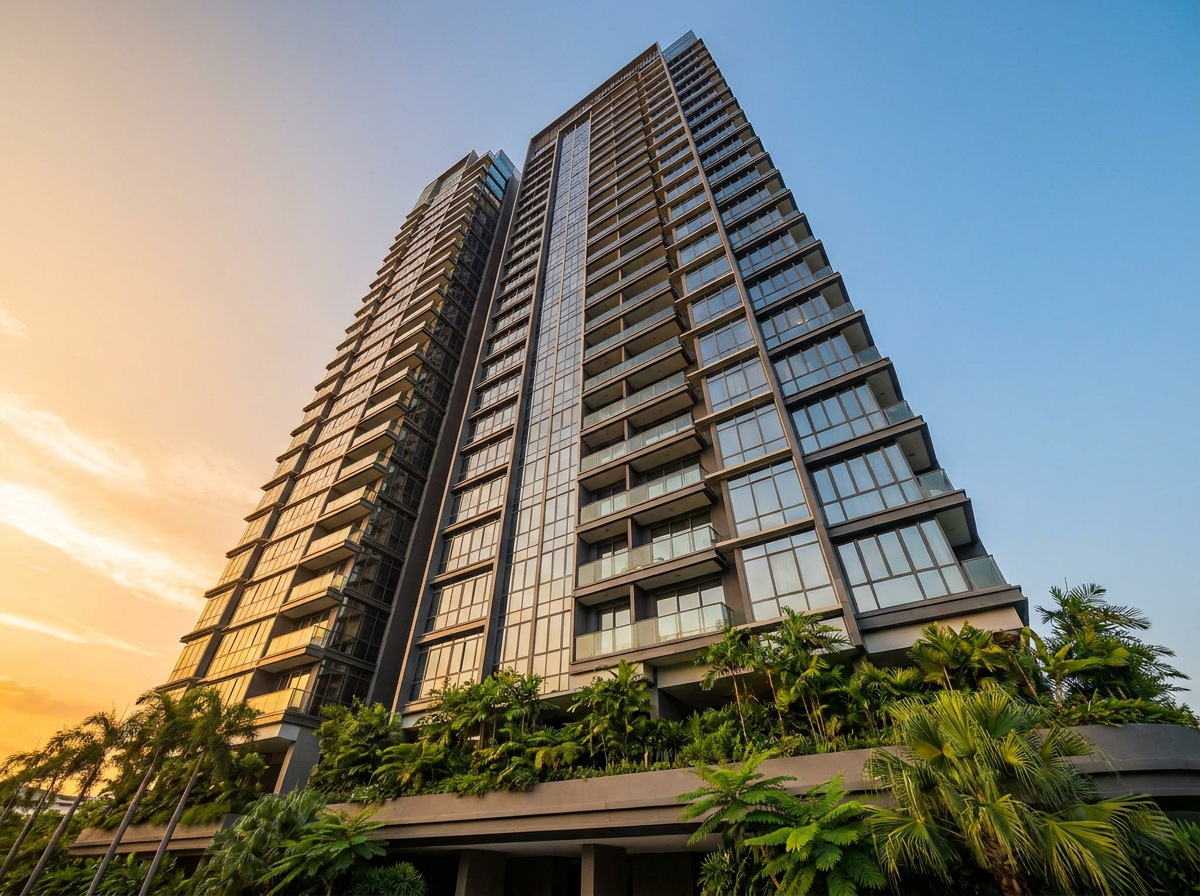
“The first condo didn't need to be perfect. It needed to be strategic. A ground-floor 3-bedder was the only one in budget — but it was enough to get them onto the asset-class staircase.”
— Elfi
By 2025, D19 3-bedder condos were transacting around $1,600–$1,900 psf. A $1.6M quantum secured a roughly 900–1,000 sqft three-bedder in newer, recently-completed developments. For context: comparable projects like Kingsford Waterbay, The Florence Residences, and Sengkang Grand Residences were moving in this band.
- Trigger
- 4-year Seller's Stamp Duty (SSD) window expired
- Sold first condo
- Cashed out ~$350K profit
- Bought
- $1.6M condo
- Cash deployment
- Portion of $350K profit funded the cash portion of the next property
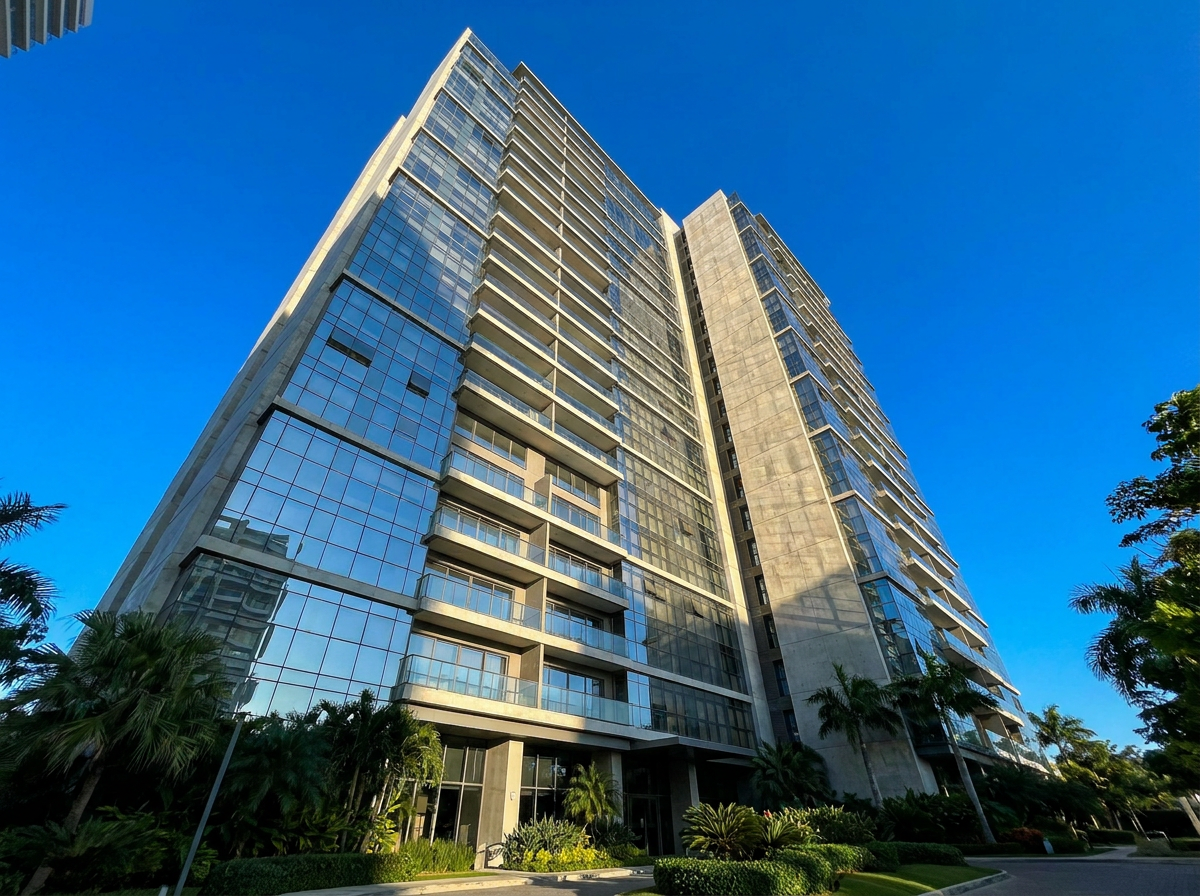
“Selling even a month early would have cost tens of thousands in stamp duty. The SSD window is a mathematical gift — you wait, you don't fight it.”
— Elfi
As of early 2026, average psf across D19 condominiums sits in the $1,700–$2,200 band depending on age and MRT proximity. The couple's second condo now sits comfortably in the upper half of that range — tracking the market, not fighting it.
- Property value
- $1.8M+ (no listings in the block below $1.8M)
- Asset class journey
- $500K HDB → $1.8M condo in 5 years
- Key insight
- Their pay didn't grow much. The asset class did all the heavy lifting.
HDB flat owners who have finished their MOP — the five years you must live there before you can sell — and want to upgrade, but feel stuck. They think they need a bigger salary or more savings to make a real move into private property.
Sit in the HDB, pay it off, feel "safe" — and miss the equity-building window entirely. Or wait for the "perfect" condo (high floor, good facing, ideal location) and never make the first move.
- 01Identified that the first move didn't need to be perfect — it needed to be strategic. A ground-floor 3-bedder was enough to get into the condo market and start building equity.
- 02Structured the cash deployment: 50% of HDB profits into the condo purchase, the rest into renovation. No overextension.
- 03Timed the exit from the first condo precisely at SSD expiry (4 years).
- 04Recycled the $350K profit into the next, stronger asset ($1.6M condo).
- 05Each move was a burst of wealth — not gradual appreciation, but a concentrated jump in asset class.
“Most HDB owners think upgrading is about affording a condo. It's actually about timing when you move the capital — not whether you can.”
— Elfi
- ◆$500K → $1.8M asset class in 5 years
- ◆Two bursts of profit: $130K (HDB sale) → $350K (first condo sale)
- ◆Each burst funded the next move — no external cash injection needed beyond the original HDB equity
- ◆Their pay stayed flat — this was purely an asset-class play
Every move in this case is an application of one or more PBD™ frameworks. Each framework also appears across other cases in the bank.
Staircase Wealth / Equity Recycling
Profits from each sale become the fuel for the next, stronger property. HDB profit → first condo → first condo profit → second condo.
Quantum Positioning
Entry beats perfection. The first condo didn't need to be the dream home — the point was entering the condo market and starting the equity clock.
SSD Timing
Planned the exit around the 4-year SSD expiry. Selling even one month early would have cost thousands in stamp duty.
Leverage Amplification
Used mortgage leverage to control assets worth far more than their cash position. $65K cash → controlled a condo that appreciated $350K.
Next Better Property
Each move was deliberately into a stronger asset class, not a lateral move. The $1.6M condo is now worth $1.8M+ — the third burst is already building.
Burst Framework
Wealth didn't grow linearly at 3% per year. It grew in two sharp bursts — $130K and $350K — each triggered by a deliberate move, not passive appreciation.
“If your HDB equity is sitting idle, you're not being safe — you're renting inflation on your own capital. One well-timed move can reset your trajectory for a decade.”
What is Staircase Wealth?
Why does SSD timing matter so much?
Can you really upgrade without earning more?
What's the minimum HDB equity needed to start a staircase move?
Could a staircase move work for you?
Run your numbers, then request a 7-minute discovery call. If the math supports a move, we'll talk through how to structure it. If it doesn't, I'll tell you straight.